How to Monitor TDS in Water: Causes, Effects, and Water Quality Monitoring Solutions
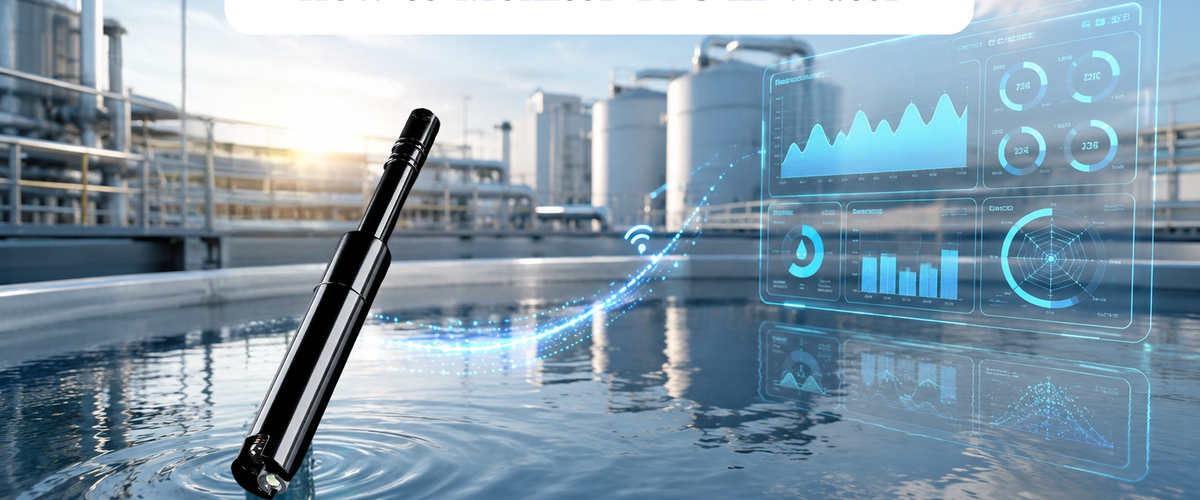
Smart Water Quality Monitoring
Water quality plays a critical role in drinking water safety, industrial operations, commercial buildings, and water treatment systems. One of the most important indicators of water quality is total dissolved solids (TDS). Regular TDS monitoring helps detect changes in water quality early, allowing timely action before problems affect people, equipment, or operations.
In this guide, you'll learn what TDS is, what causes it to change, why monitoring matters, and how modern water quality monitoring systems simplify continuous monitoring.
What Is TDS in Water?
Total Dissolved Solids (TDS) refers to the concentration of dissolved minerals, salts, metals, and other inorganic substances present in water. It is usually measured in parts per million (ppm) or milligrams per liter (mg/L).
Common dissolved substances include:
- Calcium
- Magnesium
- Sodium
- Potassium
- Chlorides
- Sulfates
- Bicarbonates
While many dissolved minerals occur naturally, unusually high TDS levels may affect water taste, increase scaling, reduce equipment efficiency, and indicate changes in water quality.
What Causes High TDS in Water?
TDS levels can increase due to several environmental and operational factors, including:
- Natural mineral deposits in groundwater
- Agricultural runoff and fertilizers
- Industrial discharge
- Aging pipelines and plumbing systems
- Water treatment chemicals
- Seawater intrusion in coastal regions
Regular monitoring helps identify these changes early and supports better water quality management.
Why Is TDS Monitoring Important?
Although TDS alone does not determine whether water is safe to drink, it is an excellent indicator of changing water conditions. Continuous monitoring enables organizations to:
- Detect water quality changes early
- Improve treatment efficiency
- Protect pumps, pipelines, and equipment
- Reduce manual inspections
- Support regulatory compliance
- Make faster, data-driven maintenance decisions
For facilities managing multiple water assets, real-time monitoring provides greater visibility than periodic manual testing.
How to Monitor TDS in Water
1. Handheld TDS Meters
Portable TDS meters provide quick spot measurements and are suitable for routine inspections. However, they require manual testing and do not provide continuous monitoring.
2. Laboratory Water Testing
Laboratory analysis provides detailed water quality reports but is generally performed periodically rather than continuously.
3. Online Water Quality Monitoring Systems
Modern online water quality monitoring sensor continuously measure TDS along with other critical water quality parameters. Instead of relying on manual measurements, users receive real-time data, historical trends, and instant alerts whenever water quality changes.
This approach enables faster response, improved operational efficiency, and better control over distributed water assets.
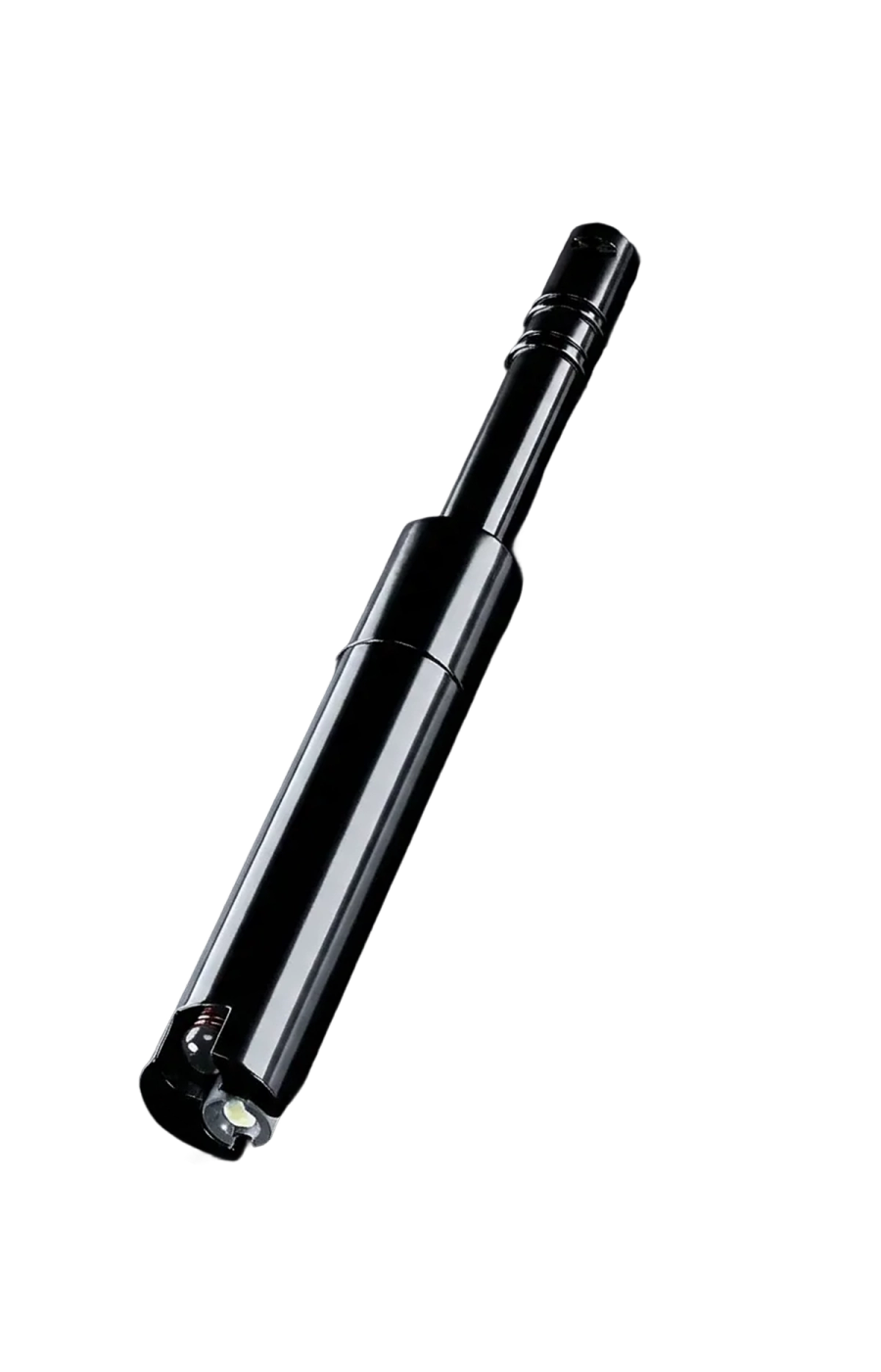
Beyond TDS: Monitor Complete Water Quality
While TDS is an important indicator, monitoring multiple water quality parameters provides a more comprehensive understanding of overall water health.
A multi-parameter water quality monitoring system can measure:
- Total Dissolved Solids (TDS)
- pH
- Electrical Conductivity (EC)
- Chlorine
- Turbidity
- Temperature
Monitoring these parameters together helps identify water quality issues more accurately and supports proactive maintenance.
Smart Water Quality Monitoring with My Tank
As organizations move toward digital water management, continuous monitoring has become more important than periodic manual testing.
The My Tank Water Quality Monitoring System combines intelligent sensors, wireless communication, and cloud technology to provide real-time visibility into water quality.
Its water quality monitoring sensor continuously measures parameters such as TDS, pH, EC, chlorine, turbidity, and temperature, then securely transmits the data through 4G, NB-IoT, LoRaWAN, or Wi-Fi (depending on the deployment) to the MyTank Cloud Dashboard.
Using a centralized dashboard, users can:
- Monitor water quality in real time
- Receive instant alerts when parameter values exceed configured thresholds
- View historical trends and analytics
- Access data through web and mobile applications
- Monitor multiple locations from a single dashboard
By automating data collection and monitoring, My Tank helps reduce manual inspections, improve response times, simplify maintenance planning, and enable data-driven decision-making for commercial buildings, industries, hospitals, water treatment plants, apartments, and municipal water systems.
Explore the Water Quality Monitoring Sensor to learn more about continuous monitoring, or discover My Tank's water tank monitoring solutions for connected smart water management.
Conclusion
Monitoring TDS is an essential part of maintaining safe, efficient, and reliable water systems. While handheld meters remain useful for occasional testing, modern water quality monitoring solutions provide continuous visibility, automated alerts, and cloud-based insights that enable smarter water management.
By combining IoT sensors, wireless communication, and centralized dashboards, organizations can improve operational efficiency, reduce maintenance costs, and make informed decisions based on real-time water quality data.
Frequently Asked Questions
What is the ideal TDS level for drinking water?
The ideal TDS level depends on local drinking water standards and the water source. In general, water with balanced TDS is preferred for taste and quality, while sudden increases or decreases should be monitored to identify potential water quality issues.
How can I monitor TDS in water remotely?
You can monitor TDS remotely using an IoT-based Water Quality Monitoring System. These systems use connected sensors to continuously measure TDS, transmit data to a cloud dashboard, and send instant alerts when values exceed predefined limits.
Is high TDS in water harmful?
High TDS is not always harmful, but it may indicate elevated levels of dissolved minerals, salts, or other substances that can affect water taste, equipment performance, and overall water quality. If TDS levels rise significantly, additional water quality testing is recommended.
What is the best TDS monitoring system for industrial water?
The best solution is a real-time Water Quality Monitoring System that continuously measures TDS along with parameters like pH, EC, DO, ORP, Turbidity, and Temperature. Cloud connectivity, instant alerts, and historical analytics help industries monitor water quality more efficiently.
What causes high TDS in water?
High TDS levels can result from natural mineral deposits, agricultural runoff, industrial discharge, aging pipelines, water treatment chemicals, or seawater intrusion. Regular monitoring helps detect these changes early and supports proactive water quality management.
Ready to monitor water quality in real time?
Take control of your water quality with real-time monitoring, instant alerts, and cloud-based insights.
Schedule a Call