






Where Efficiency Turns into Savings

Water Conservation Capability
Prevent overflows and detect hidden leaks before losses escalate.

Energy Optimization
Protect pumps, eliminate dry runs, and operate at peak efficiency.

Labor Cost Reduction
Monitor and control systems remotely with minimal human intervention.

Rapid ROI
Faster payback with reduced maintenance and operational overheads.
100% True Wireless Water Management Solution
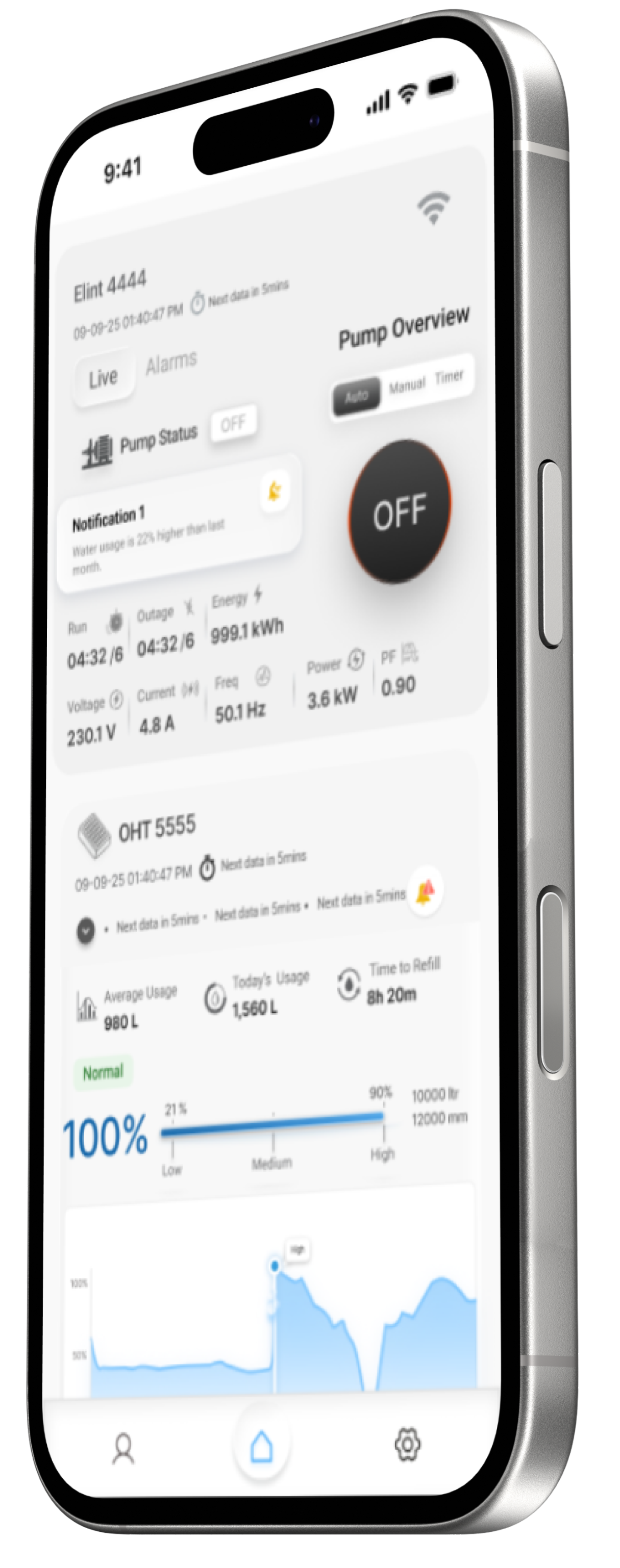
Start, monitor, and protect your water systems effortlessly — anytime, anywhere.
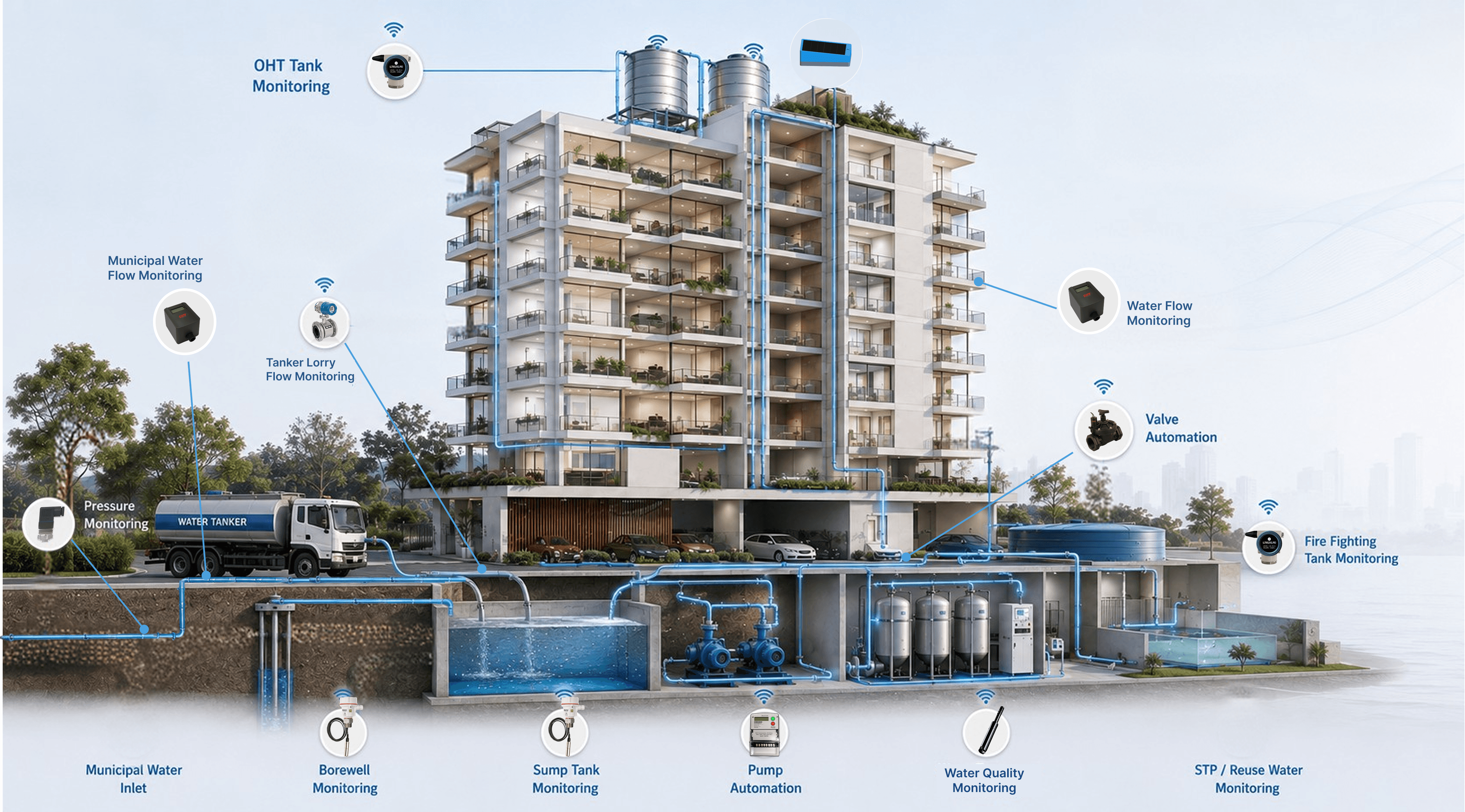
End-to-End Smart Water Management Solution
From Source to Consumer – Complete Visibility and Control
Unified Monitoring
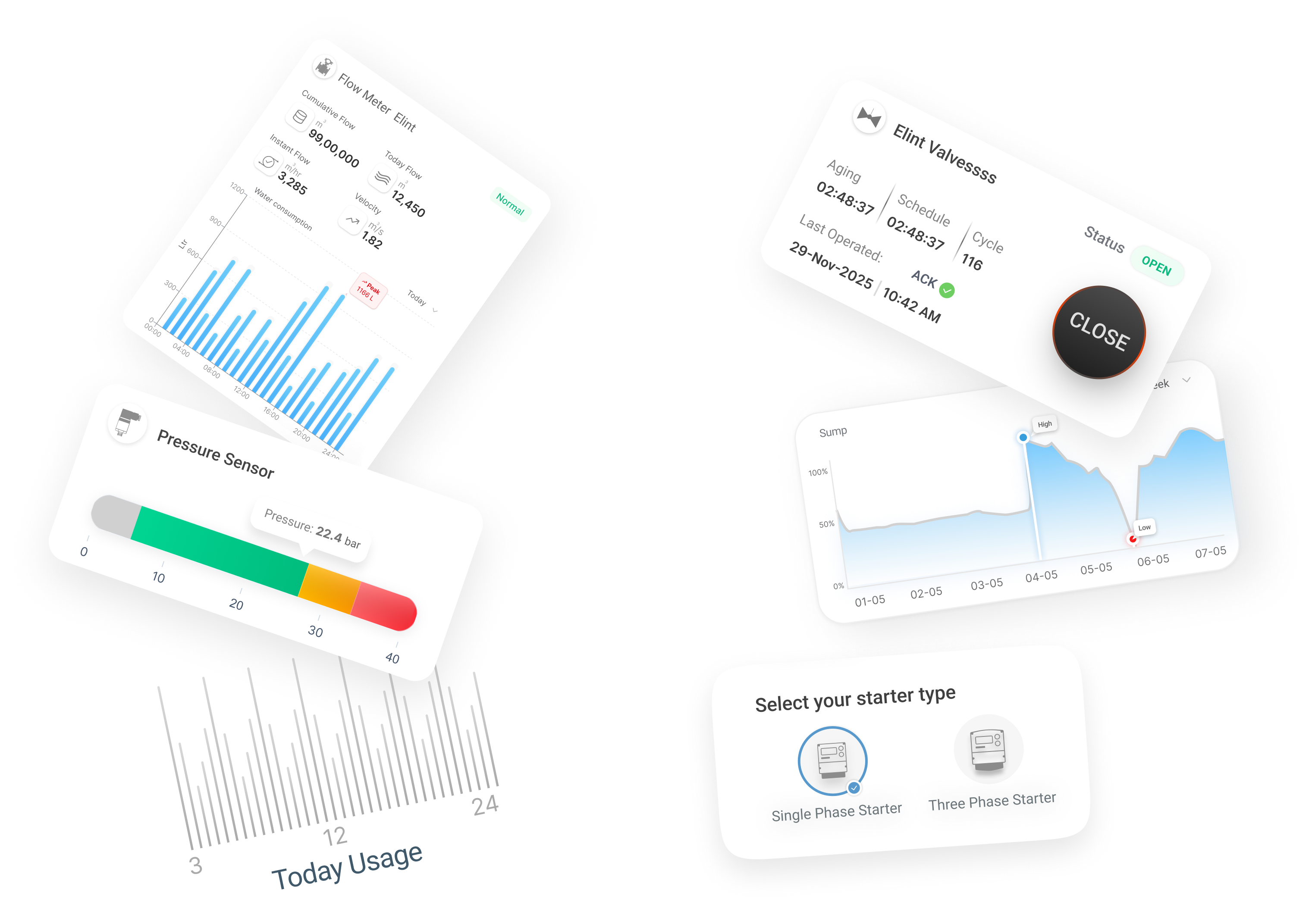
Track tanks, pumps, valves, flow, and water quality in one place.
Smart Automation
Automate water transfer and distribution without manual intervention.
Operational Efficiency
Reduce water loss, energy consumption, and maintenance effort.
Anywhere Access
Monitor and control your water infrastructure remotely.





The Unseen Complexity of Manual Water Operations
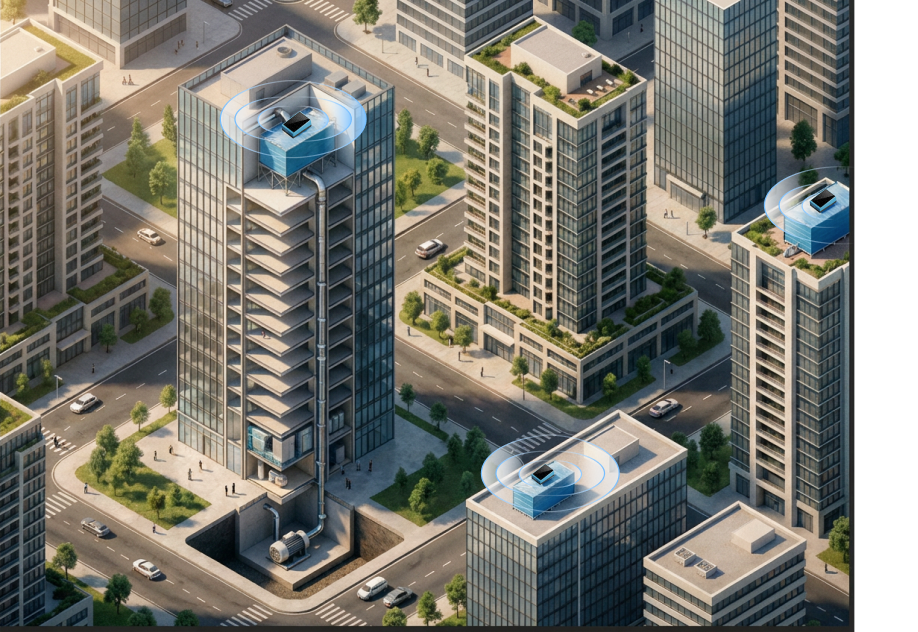
Despite close supervision, traditional water systems continue to struggle with inherent operational gaps.

Reliance on Manual Control
Pumps depend on human intervention for start/stop actions, often resulting in uneven or delayed filling cycles.

Overflow-Related Losses
Absence of automatic shutoff leads to repeated overflows, causing unnecessary water and energy wastage.

Lack of Predictive Notifications
No early alerts for critical level changes—issues are addressed only after escalation.

Airlocks & Pressure variations
Trapped air and unstable pressure disrupt consistent water supply to downstream points.

Power Quality Instability
Inadequate safeguards against voltage variations accelerate motor wear and stress.

Dry Run & Overload Damage
Operating without sufficient water or pressure increases the risk of overheating and pump failure.

No Historical Fault Tracking
Without event logging, recurring faults remain invisible and unresolved.

Inefficient Runtime Management
Manual operation leads to excess power consumption and reduced pump lifespan.
.png)

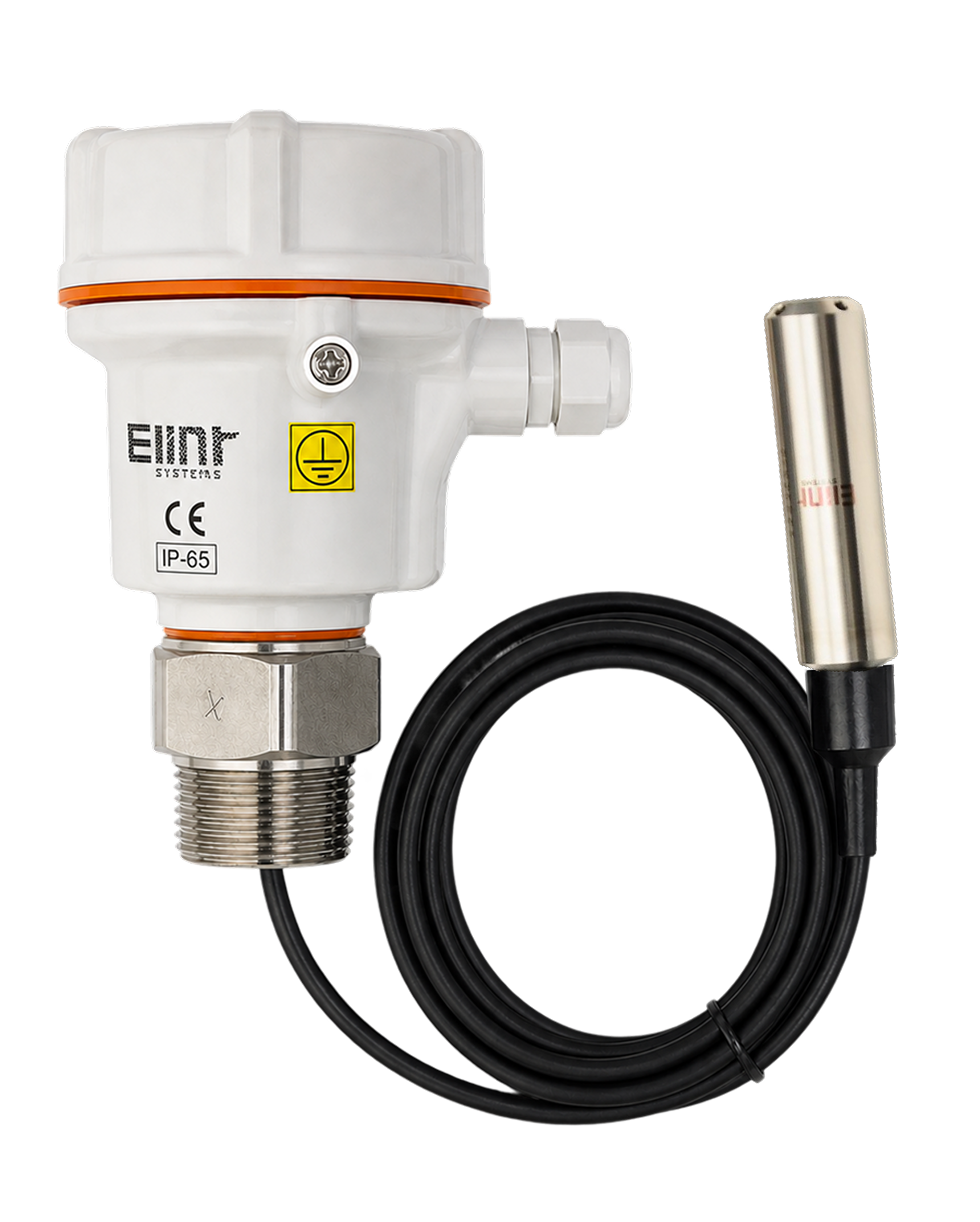
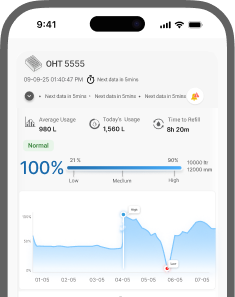
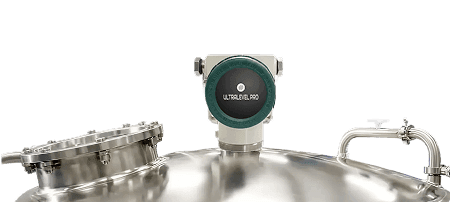
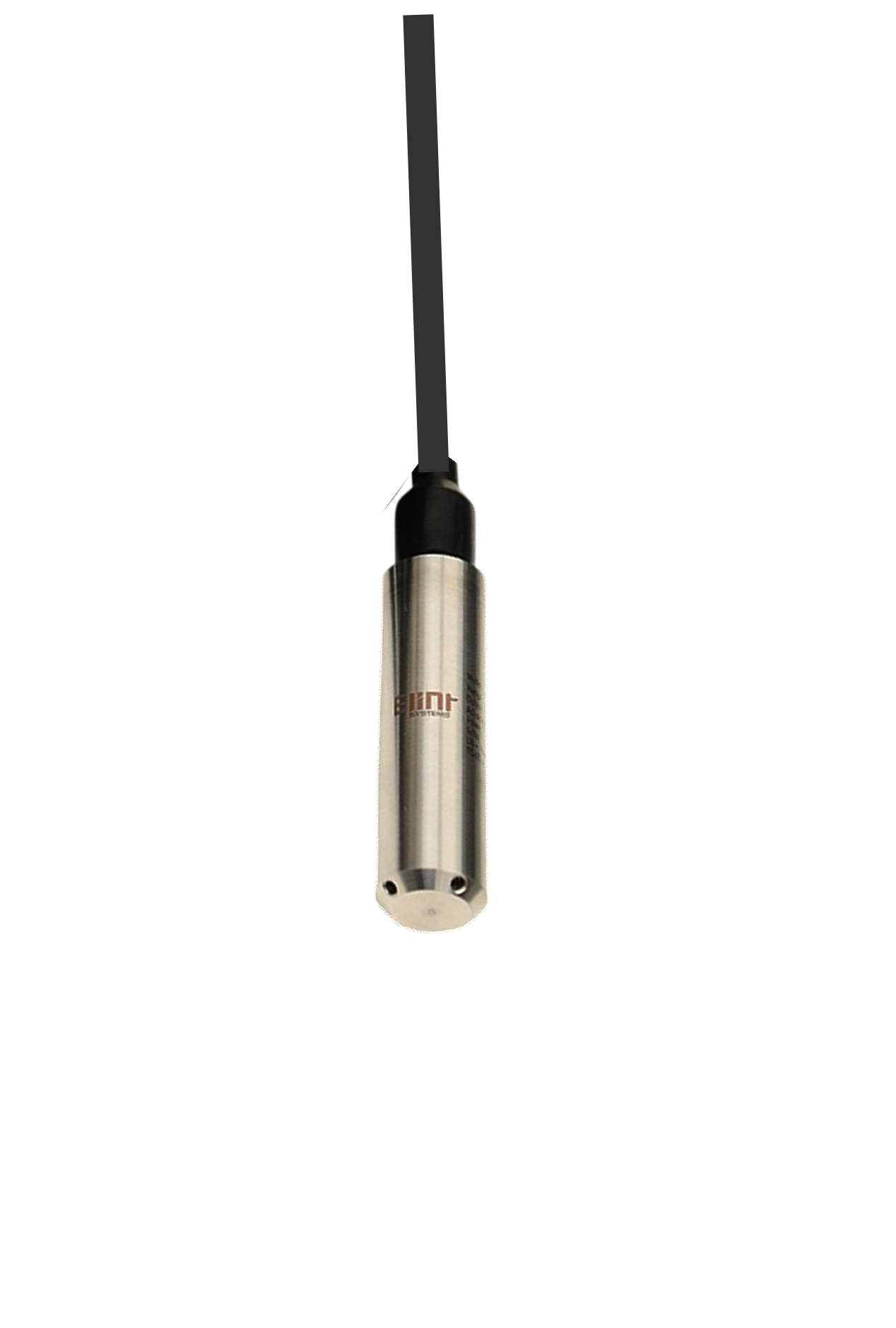
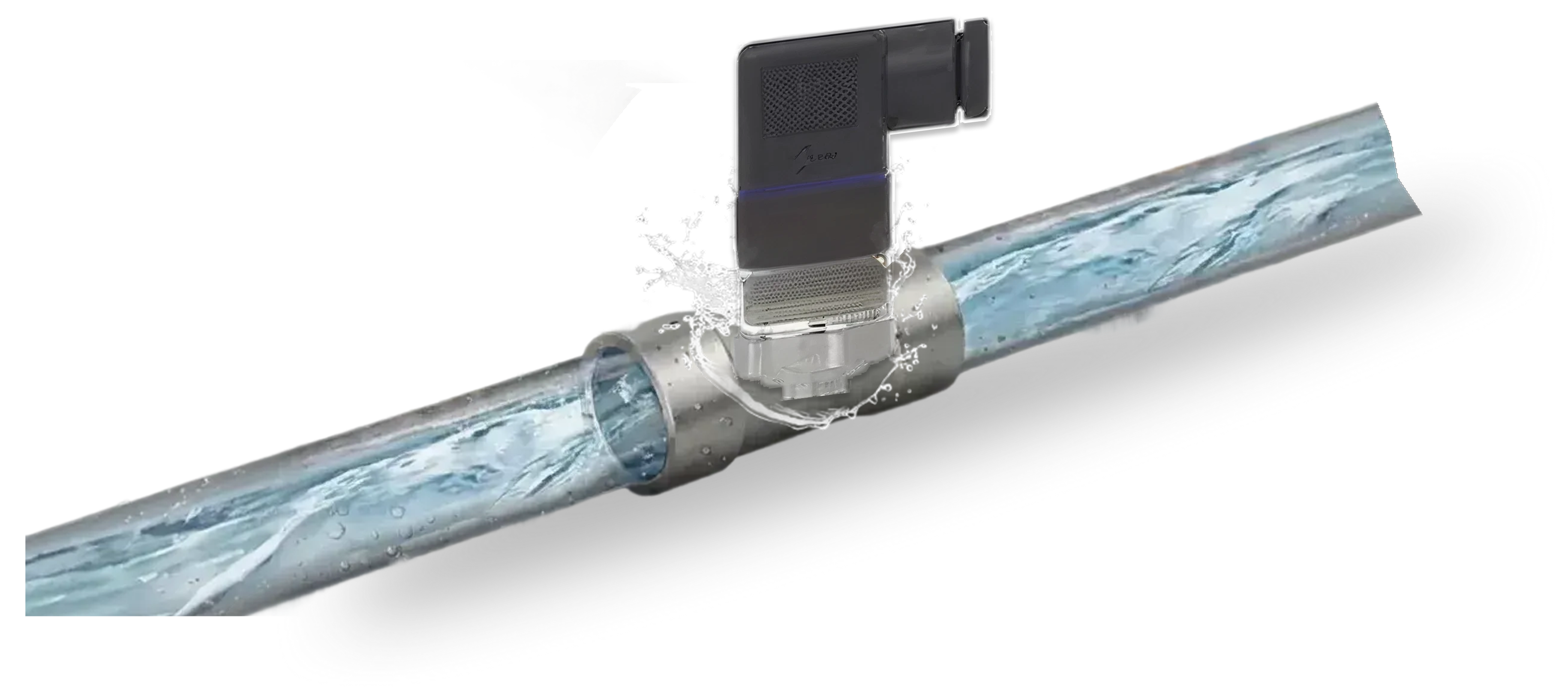
Wireless Tank Level Sensor for Water Management








.png)
.png)
.png)


Use Cases
Latest News
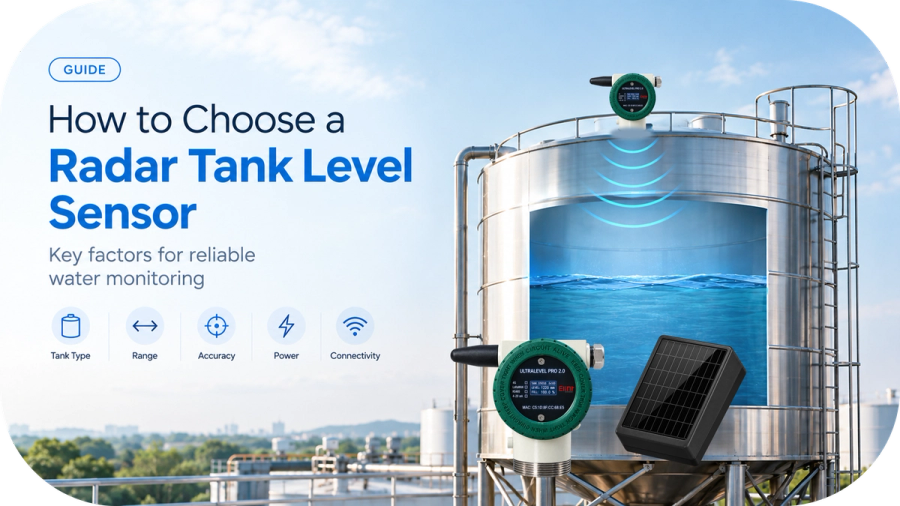
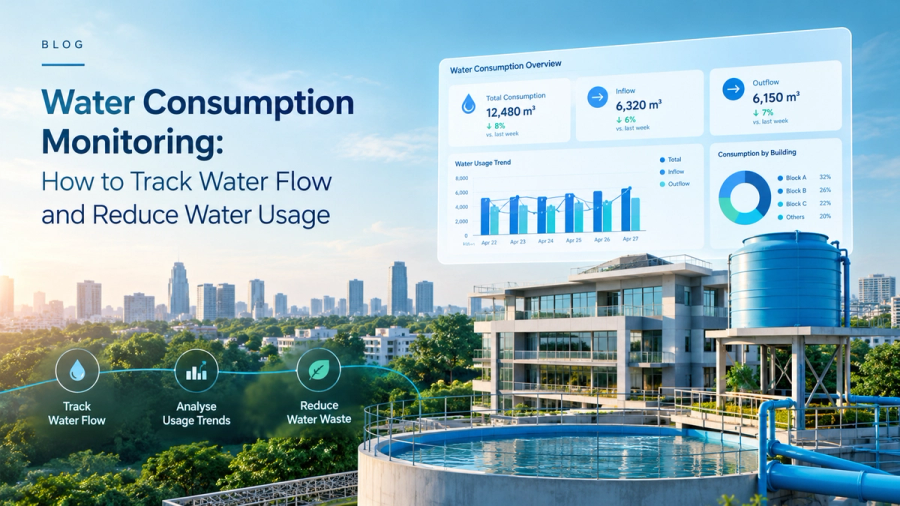
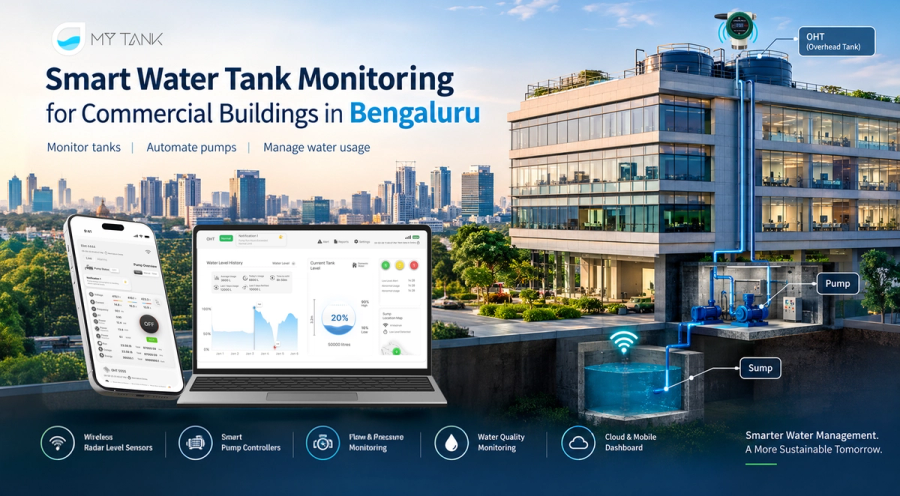
Learn how to choose the right radar tank level sensor based on tank type, measurement range, accuracy, power supply and connectivity. Discover key factors for reliable water level monitoring .
Featured Products
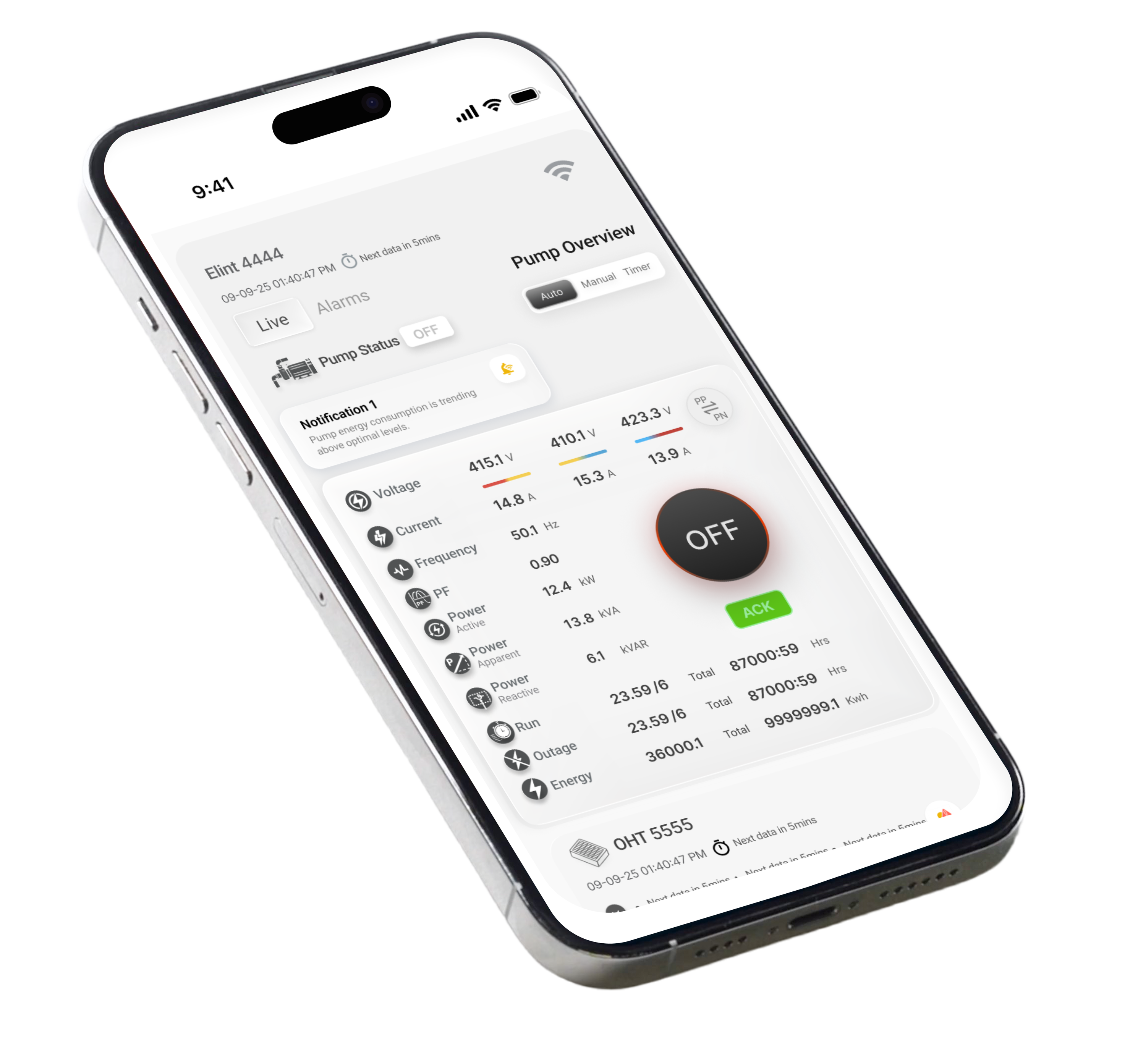
Real-time monitoring for efficient and automated water system management.
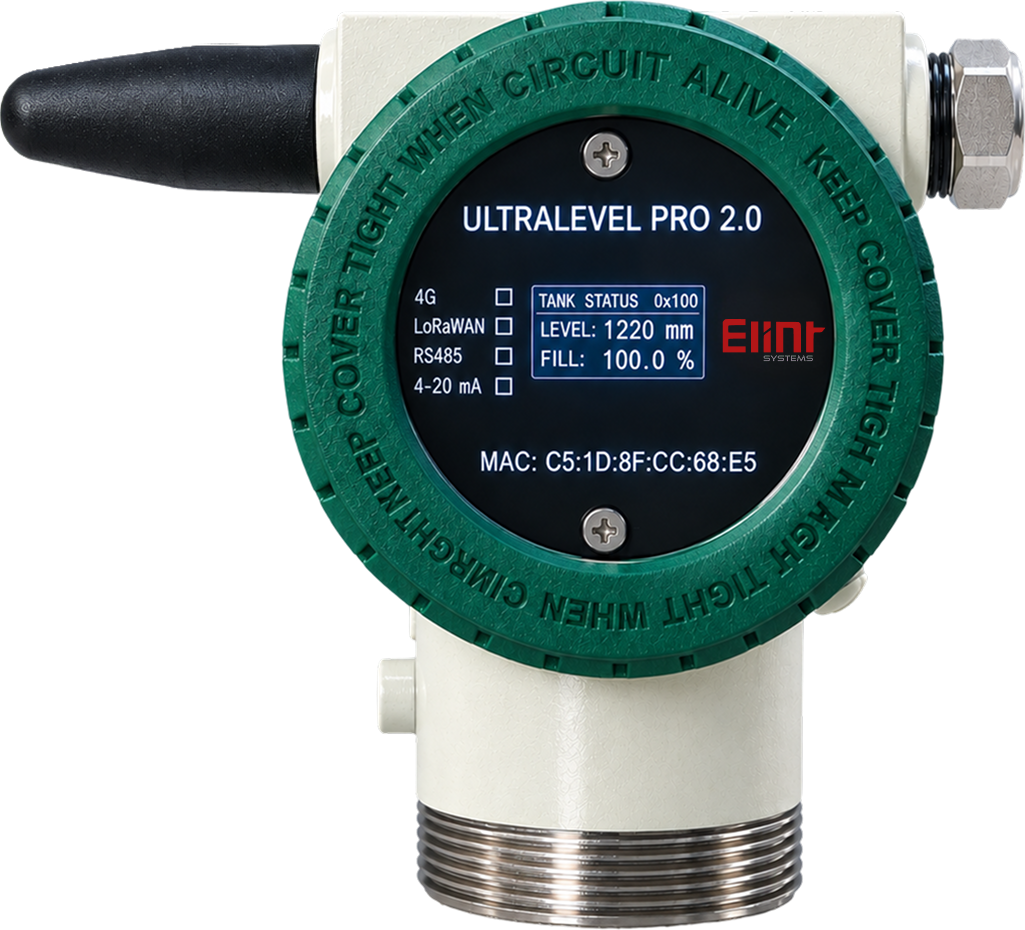
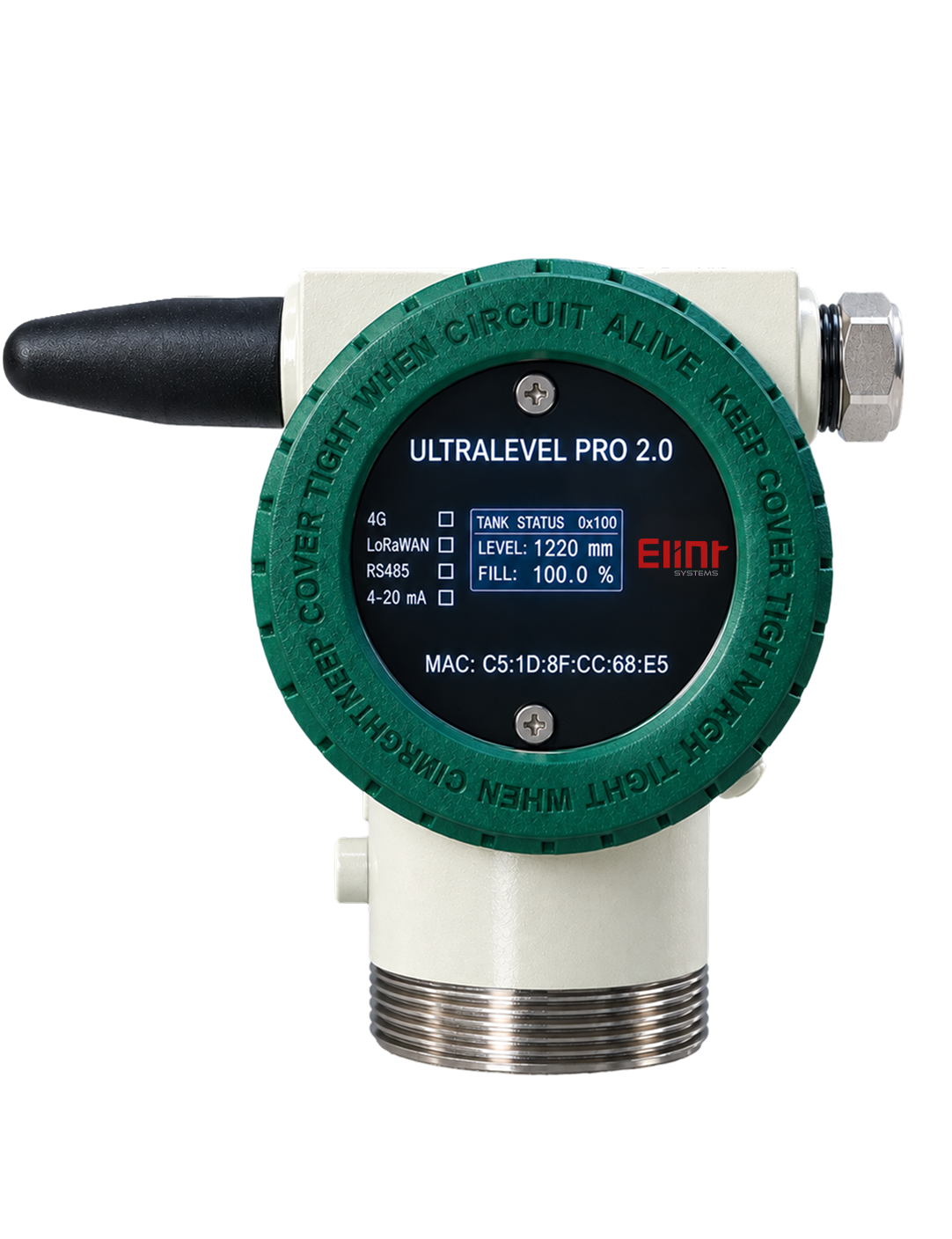
Wireless Radar Sensor for Smart Water Management
60 GHz | Powered & Battery Powered
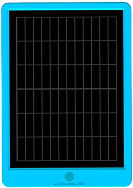
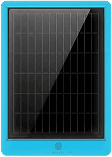
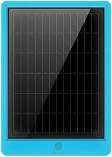
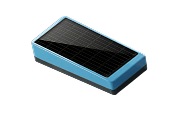
Solar Powered Radar Water Level Sensor
100% Wireless | Easy Installation
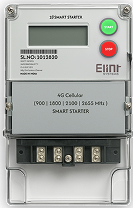
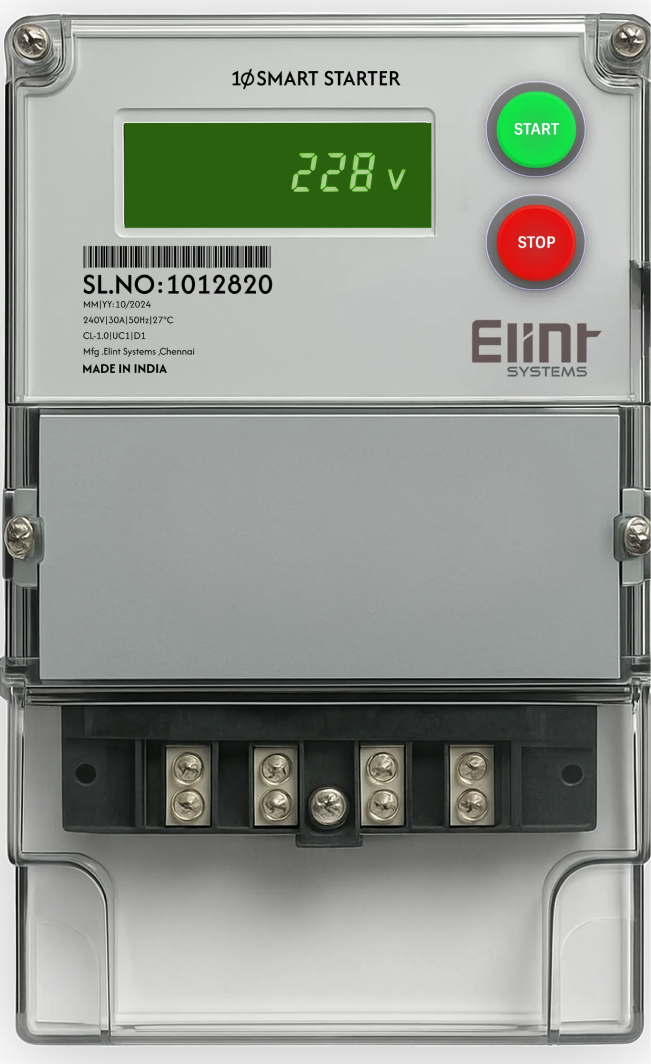
Starter for Water Pump Automation
Remote Mobile app control
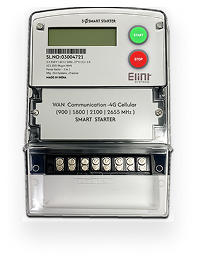
Wireless Pump Starter with Smart Automation
Remote ON/OFF | Smart alerts
FAQ
A smart water tank monitoring system uses a radar level sensor, wireless connectivity, and cloud software to continuously measure water levels inside tanks without direct contact with water. Data is transmitted in real time to a mobile app or dashboard, allowing users to monitor tank status, receive alerts, and automate pump operations from anywhere.
For most modern water tank applications, radar level sensors are considered one of the best options because they provide contactless, accurate, and low-maintenance monitoring. When combined with LoRa connectivity, they enable real-time water level monitoring, remote access, alerts, and automatic pump control from anywhere
Yes. My Tank supports monitoring of multiple tanks across one or multiple locations through a centralized dashboard. Users can access tank data, alerts, and pump status from a single interface.
With My Tank, a wireless radar sensor installed on the tank measures water level and sends updates through LoRa communication to the cloud platform. Users can view current tank level, historical trends, receive low-level or overflow alerts, and control pumps remotely using their mobile device.
Smart water management helps apartments prevent tank overflow, reduce water shortages, and automate pump operations for more efficient water use. With real-time monitoring and remote access, facility teams and residents gain better visibility and control while reducing manual maintenance and water waste.
According to the Bureau of Indian Standards (BIS IS 10500), the desirable limit for TDS in drinking water is 500 mg/L (ppm). Water with TDS up to 2,000 mg/L may be acceptable when no better source is available, depending on local conditions and treatment methods.
The best way to monitor drinking water quality is with a multi-parameter water quality sensor. It continuously measures pH, TDS, turbidity, conductivity, chlorine, ORP, dissolved oxygen, and temperature, providing real-time data, instant alerts, and remote monitoring through a cloud dashboard or mobile app.
Do you have more questions?
Let's turn your questions into solutions — schedule with us today.
Let's Connect