Ultrasonic vs Radar Level Sensor - Which Is Better for Water Tank Level Monitoring in 2026?
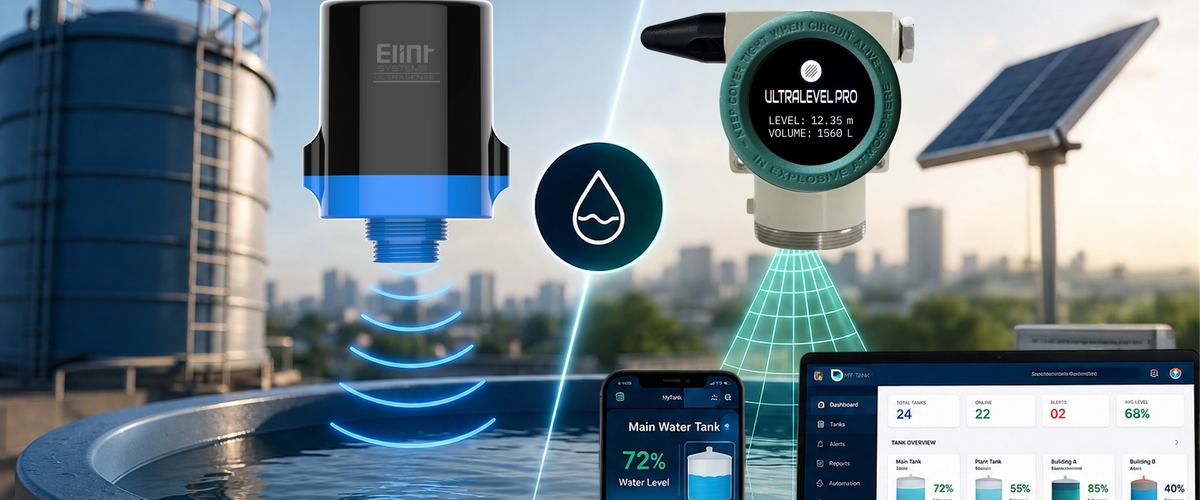
Choosing the right water level sensor can reduce maintenance, prevent overflows, and improve operational efficiency. Compare Ultrasonic vs Radar and make an informed decision.
Water tank level monitoring has changed.
What was once a simple tank measurement task is now part of a much bigger goal - improving efficiency, reducing water loss, automating operations, and gaining real-time visibility across distributed infrastructure.
As industries, buildings, municipalities, agriculture, and commercial facilities modernize, one question continues to dominate buying decisions:
Should you choose an ultrasonic sensor or a radar sensor for water level monitoring?
The answer is not simply about cost.
It depends on reliability, maintenance, environmental conditions, remote access, and how much operational visibility you actually need.
This guide compares both technologies and explains why the market is gradually shifting toward radar-based smart monitoring systems.
Why More Organizations Are Rethinking Water Level Monitoring in 2026
Modern water tank monitoring is no longer about checking whether a tank is full.
Today’s users expect:
- Real-time water visibility
- Remote tank monitoring
- Overflow prevention
- Automated pump operation
- Multi-site monitoring
- Cloud access from anywhere
- Predictive maintenance
- Lower operational effort
That shift changes how sensor technologies are evaluated.
What Is an Ultrasonic Water Level Sensor?
Ultrasonic water level sensor measure water level using sound waves.
The sensor emits ultrasonic pulses toward the water surface and calculates the time taken for the signal to return.
Because the sensor does not touch water, it remains a popular option for basic monitoring applications.
Advantages of Ultrasonic Sensors
- Lower initial investment
- Simple installation
- Non-contact measurement
- Effective in stable environments
- Suitable for standard tank applications
Limitations of Ultrasonic Sensors
- Performance can be influenced by vapor and condensation
- Foam and turbulence may impact readings
- Temperature changes can affect consistency
- Wider sensing angle can create reflections
- Maintenance may increase over long-term deployment
Ultrasonic remains practical where operating conditions stay controlled and monitoring requirements are relatively simple.
What Is a Radar Water Level Sensor?
Radar water level sensor use electromagnetic waves instead of sound to measure distance.
Signals are transmitted toward the water surface and reflected back to determine level with high stability.
Because radar does not rely on air conditions in the same way ultrasonic does, it is increasingly being adopted in demanding environments.
Advantages of Radar Sensors
- High measurement stability
- Excellent performance in condensation and humid environments
- More resistant to environmental changes
- Narrow beam for better targeting
- Reliable for larger and taller tanks
- Lower maintenance requirements
For modern remote monitoring projects, radar increasingly becomes attractive because reliability often outweighs hardware cost.
Which Sensor Works Best for Different Applications?
Residential Water Tanks
Recommended: Ultrasonic or Radar Level Sensor
For simple tank visibility, ultrasonic may be sufficient. For premium remote monitoring and automation, radar provides stronger long-term value.
Commercial Buildings
Recommended: Radar Level Sensor
Building operators increasingly prioritize continuous visibility and lower maintenance.
Agriculture and Irrigation
Recommended: Radar-Based Monitoring
Stable level monitoring supports smarter water usage and irrigation planning.
Industrial Water tank Infrastructure
Recommended: Radar
Industrial environments often introduce moisture, environmental variation, and operating complexity where radar performs more consistently.
Municipal and Multi-Tank Deployments
Recommended: Radar + Cloud Monitoring
Centralized visibility becomes more important than the sensor alone.
Why the Real Decision in 2026 Is Bigger Than Sensor Selection
Many organizations still compare sensors as if monitoring ends after installation.
But the real operational challenges usually happen afterward:
- Someone still checks levels manually
- Pumps are switched manually
- Overflow happens before alerts arrive
- Multiple sites operate independently
- Data never becomes actionable
This is why modern deployments are shifting from sensor-first thinking to connected monitoring ecosystems.
How Modern Radar-Based Water Monitoring Is Evolving
Instead of using standalone level sensors, newer monitoring architectures combine:
- Non-contact sensing
- Wireless deployment
- Cloud dashboards
- Real-time alerts
- Mobile visibility
- Automation workflows
- Centralized management
One example of this evolution is My Tank
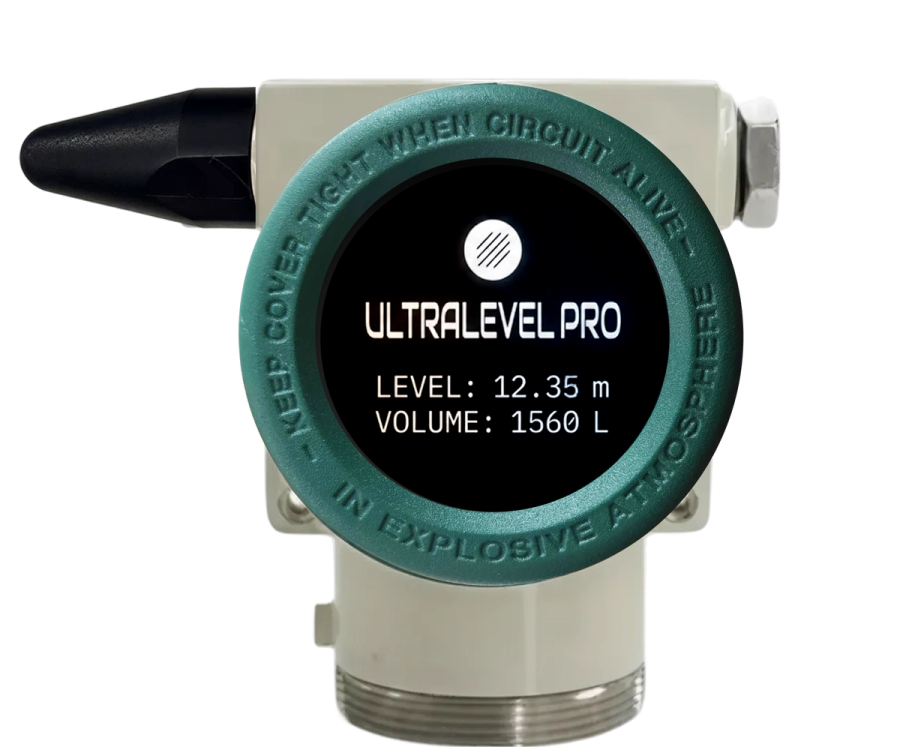
Rather than functioning as only a sensor, My Tank combines radar-based level monitoring with remote visibility and automation capabilities.
The platform supports:
- Non-contact radar monitoring
- Wireless deployment
- Solar-powered operation
- LoRa / Wi-Fi / 4G connectivity
- Real-time tank visibility
- Mobile access
- Pump automation
- Valve Automation
- Water flow monitoring
- Multi-tank monitoring
The result is a shift from simply measuring water levels to managing water infrastructure intelligently.
Final Verdict: Ultrasonic vs Radar Level Sensor for Water Level Monitoring
Choose Ultrasonic if:
- Budget is the main priority
- Environment remains predictable
- Monitoring requirements are basic
Choose Radar if:
- Reliability matters
- Remote access is important
- Maintenance visits must be reduced
- Multiple tanks must be monitored
- Automation is part of your roadmap
In 2026, the conversation is no longer only about which sensor measures level.
It is increasingly about which monitoring system helps teams make faster, smarter, and more reliable decisions.
And that shift is quietly making radar-based smart water tank monitoring the preferred direction for modern water infrastructure.
Looking for a reliable water tank monitoring solution?
My Tank delivers radar-based monitoring, cloud connectivity, and intelligent automation - all in one platform
Schedule a CallFrequently Asked Questions
Which is better for water level monitoring: Ultrasonic or Radar?
It depends on the application.
Ultrasonic level sensors work well for basic water tank monitoring in controlled environments and are often selected for lower initial cost.
Radar level sensors with lora are increasingly preferred where users need higher reliability, remote monitoring, lower maintenance, and stable performance across changing environmental conditions.
Does radar water level monitoring work in outdoor environments?
Yes. Radar-based level monitoring systems are widely used in outdoor water infrastructure because environmental factors typically have less influence on measurement consistency compared with sound-based sensing technologies.
What is the biggest limitation of ultrasonic water level sensors?
Ultrasonic measurement can be influenced by environmental factors such as condensation, foam, turbulence, vapor, and temperature variation, depending on the deployment conditions.
How does My Tank fit into modern water tank monitoring?
My Tank combines radar-based water level monitoring with remote visibility, wireless deployment, cloud connectivity, mobile access, and automation capabilities.
Instead of only measuring tank levels, it enables users to monitor and manage water infrastructure more intelligently across locations.