What Is a Water Tank Level Sensor? Types, How They Work.
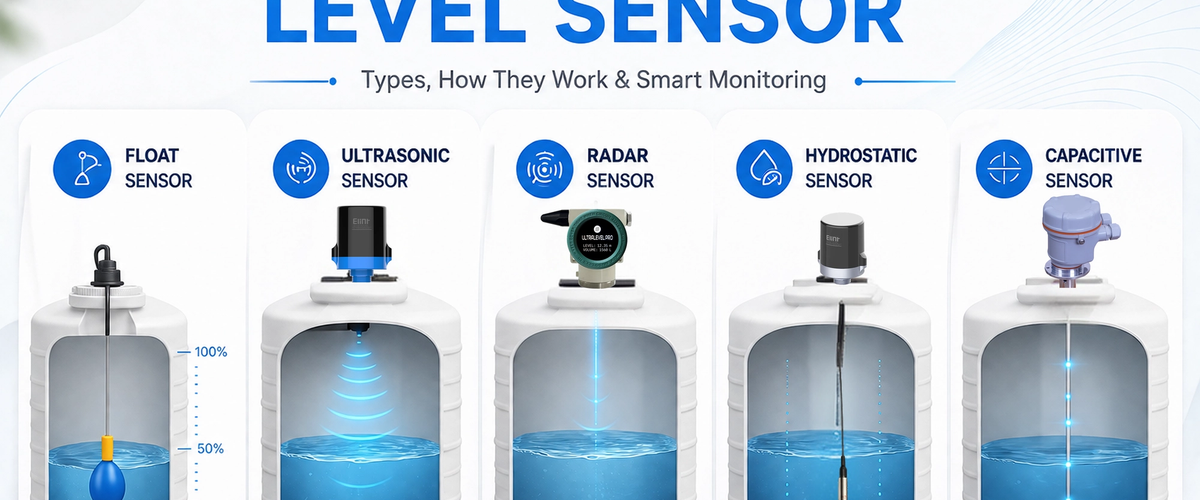
Types of water tank level monitoring sensor
Running out of water without warning - or coming home to an overflowing tank - is a problem almost every household, apartment, and facility manager has faced at least once. The fix for both is the same small device: a water tank level sensor.
If you've ever searched for how to stop tank overflows, cut pump electricity bills, or check your tank level from your phone, this guide covers everything you need to know - what these sensors are, how each type works, and which one actually makes sense for your tank in 2026.
What Is a Water Tank Level Sensor?
A water tank level sensor is a device that measures how much water is inside a tank and converts that measurement into a signal - a number on a display, a reading in an app, or a trigger that turns a pump on or off. Instead of climbing a ladder to check an overhead tank or guessing based on pump sound, the sensor gives you an accurate, real-time level reading at all times.
Modern sensors go a step further. Paired with wireless communication such as LoRa/4G, a water level sensor can send tank data straight to a cloud dashboard or mobile app, so the level can be checked from anywhere - no wiring across floors, no manual checks, and no surprises.
How Do Water Tank Level Sensors Work?
At a basic level, every water level sensor works the same way: it detects a physical property that changes with water level - distance, pressure, position, or electrical conductivity - and converts that into a usable signal. The differences between sensor types come down to how they detect that change.
- Sensing – the sensor detects the water surface or the pressure/position associated with it.
- Conversion – the raw signal is converted into a level value (percentage, litres, or metres).
- Transmission – the value is sent via a wire, RS485, or wirelessly over LoRa/4G/Wi-Fi to a controller, display, or app.
- Action – based on the level, the system can trigger an alert, start/stop a pump, or log data for trends.
The transmission step is where older tank indicators and modern smart systems diverge. A basic sensor just shows a number on a local panel. A connected system - like a wireless water tank monitoring and automation setup - pushes that data to the cloud so it's visible remotely and can automate the pump without any manual intervention.
Types of Water Tank Level Sensors
Not all sensors measure water the same way. Here are the main types used in residential, commercial, and industrial tanks today.
1. Float Sensors
The oldest and most familiar type. A float rises and falls with the water surface, mechanically or magnetically triggering a switch at set levels (usually full and empty).
- How it works: A buoyant float moves along a rod or cable; magnets or mechanical arms close a switch at specific points.
- Best for: Simple on/off pump control in small domestic tanks.
2. Ultrasonic Level Sensors
Mounted at the top of the tank, these ultrasonic level sensor send sound waves down to the water surface and measure the time taken for the echo to return, calculating distance and, therefore, level.
- How it works: Sound pulse → reflection off water surface → time-of-flight calculation.
- Best for: Non-contact level sensing in tanks without excessive vapour, foam, or turbulence.
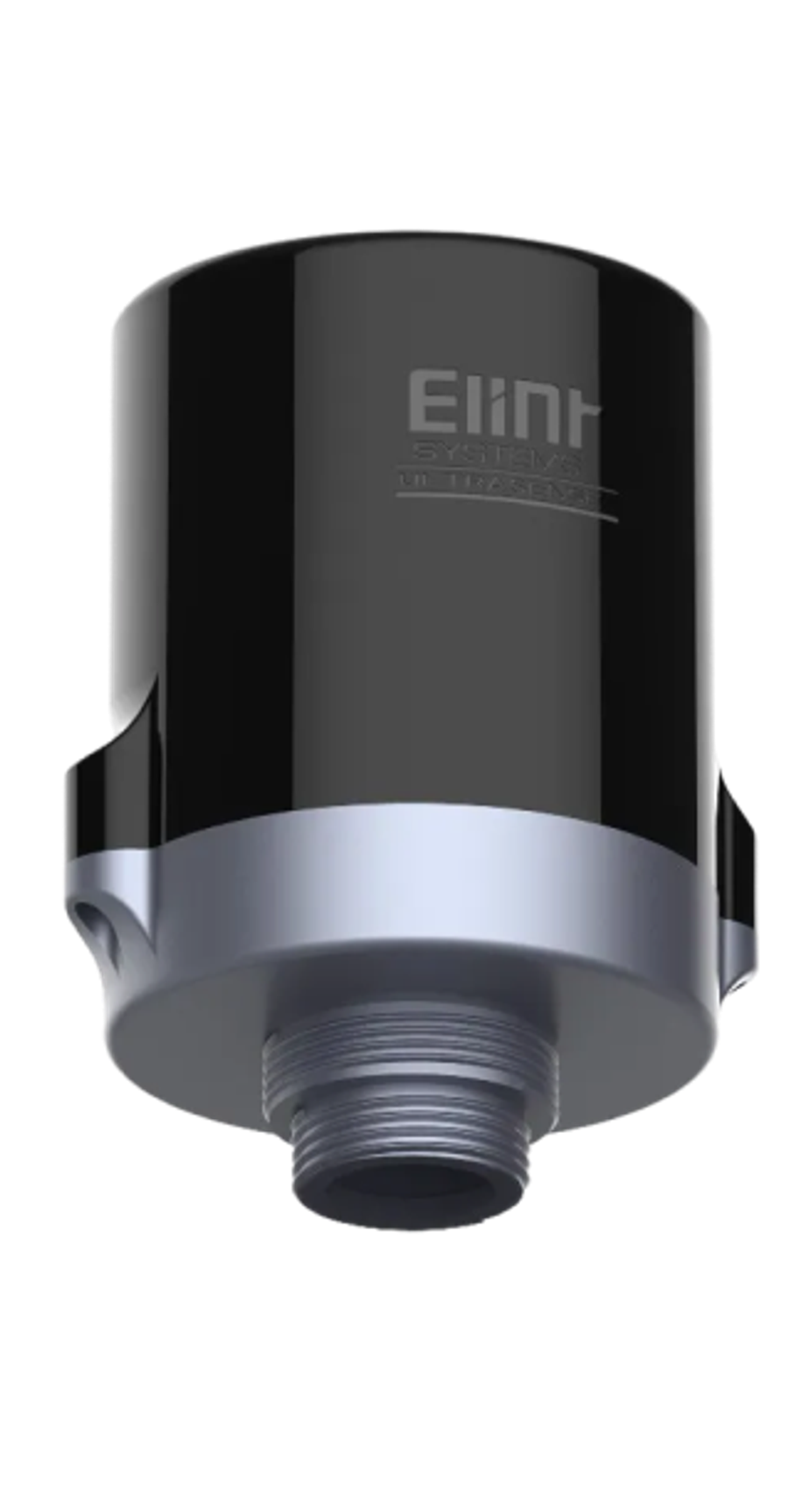
3. Radar Level Sensors
Radar sensors use high-frequency electromagnetic waves instead of sound, making them far less affected by humidity, condensation, dust, or vapour inside the tank - common issues that affect ultrasonic units, especially on overhead tanks exposed to sun and weather.
- How it works: A radar pulse is emitted toward the water surface; the reflected signal's travel time gives an extremely precise level reading, often accurate to within a millimeter.
- Best for: Overhead tanks, sumps, and any application needing high accuracy with zero maintenance.
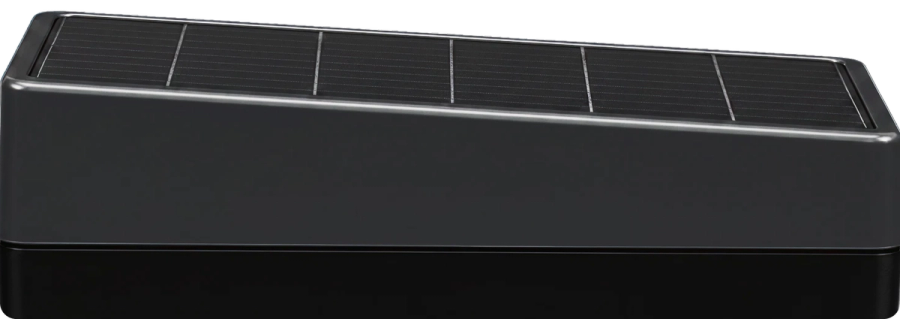
Many radar sensors now come solar-powered with self-energy harvesting, charging themselves off ambient light so there's no battery to swap - a natural fit for rooftop or outdoor tanks that already get plenty of sun. Battery-powered versions with multi-year battery life are also available for tanks with limited sunlight exposure. This is the technology behind sensors like the UltraLevel Max and the UltraLevel Pro 2.0 .
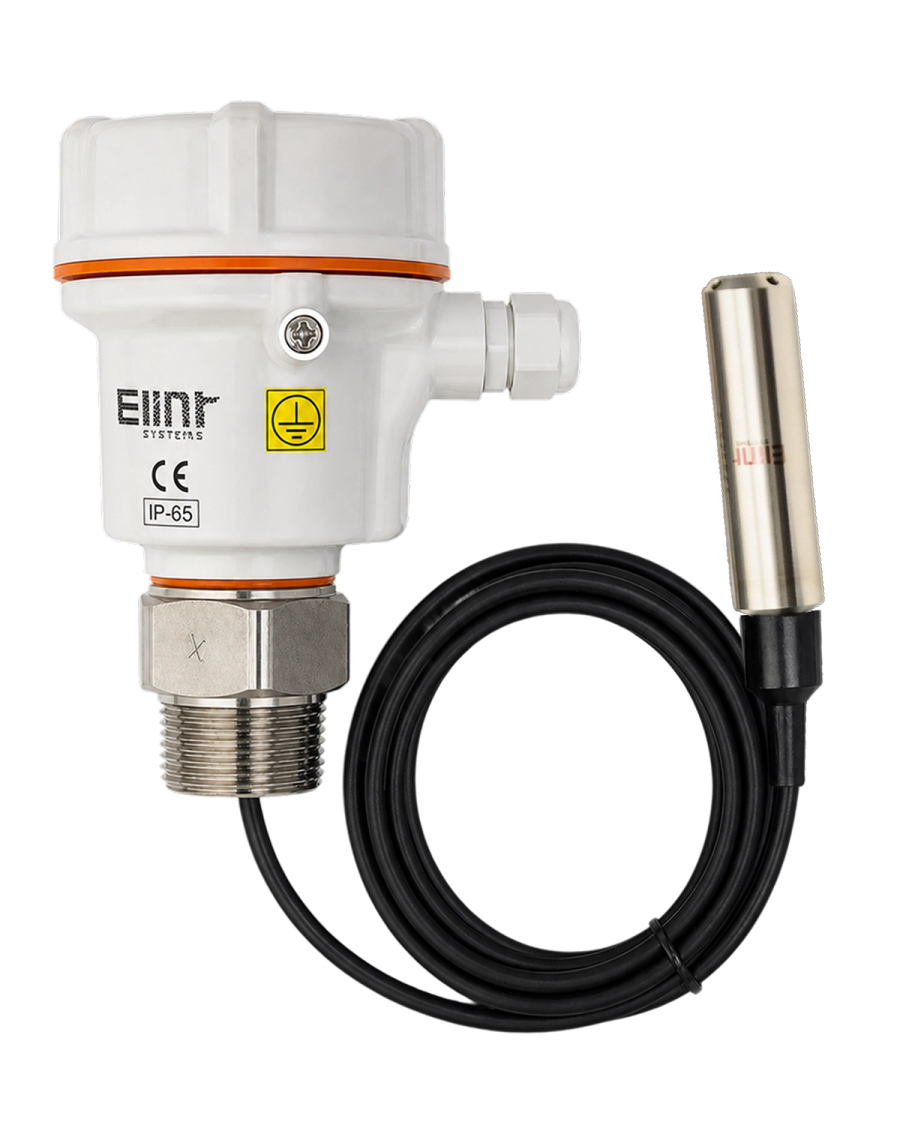
4. Hydrostatic Pressure Level Sensor
These sensors sit at the bottom of the tank or sump and measure the pressure exerted by the water column above them - more water means more pressure, which translates directly into a level reading.
- How it works: A submerged pressure transducer converts hydrostatic pressure into a continuous analog level signal.
- Best for: Sumps, underground tanks, and installations where a top-mounted sensor isn't practical. My Tank's hydrostatic sump level sensor is built specifically for this use case
5. Capacitive Level Sensors
These use electrical properties of water to detect level, either through changes in capacitance along a probe or by completing a circuit between electrodes at set heights.
- How it works: Capacitive level sensors measure a change in capacitance as water rises along a probe; conductive sensors rely on water completing an electrical circuit between contact points.
- Best for: Point-level detection (e.g., low-level or high-level alarms) rather than continuous measurement.
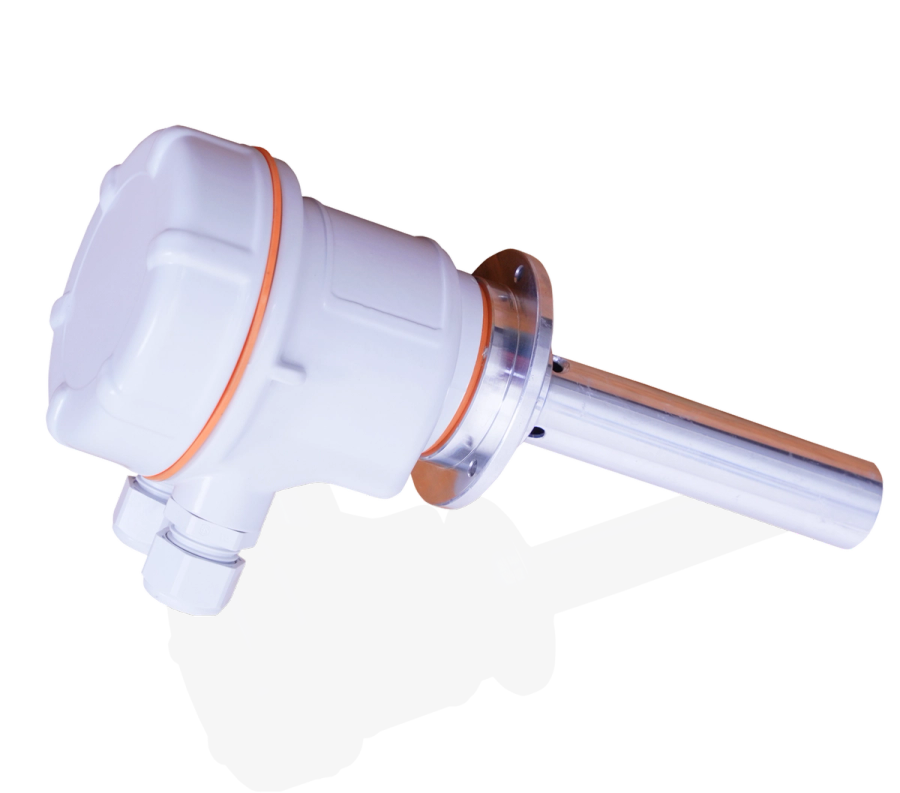
Wireless & LoRa-Based Water Level Sensors: The Smart Upgrade
The single biggest shift in tank monitoring over the last few years isn't the sensing method - it's connectivity. A water level sensor with LoRa communication can transmit tank data wirelessly over ranges up to 5 km, without running a single cable between the tank, the pump room, and the control panel.
This matters because most water level problems aren't really sensing problems - they're visibility problems. You can have the most accurate sensor in the world, but if that data stays locked on a panel next to the tank, it's not helping you when you're at work or asleep.
A LoRa-enabled radar sensor solves this by combining contactless, millimetre-accurate sensing with long-range wireless transmission to a cloud platform and mobile app. That's the architecture behind a full wireless water tank monitoring and automation system - radar sensor, LoRa communication, cloud sync, and app-based alerts and pump control working together.
Final Thoughts
A water tank level sensor might look like a small component, but it's the foundation of any water management system - the difference between reacting to problems and preventing them. Float and basic sensors still have their place for simple setups, but for anyone dealing with overflow losses, pump damage, or the hassle of manual checks, a LoRa-enabled wireless radar sensor is the clear upgrade.
Still Checking Your Tank Manually?
Stop overflows, prevent dry runs, and monitor your water tank from anywhere with My Tank's smart wireless solution.
Schedule a CallFrequently Asked Questions
What is the best type of water tank level sensor?
For most tanks, a radar level sensor is considered the best option today because it measures water level without contact, isn't affected by weather or vapour, and needs almost no maintenance. When it also includes LoRa wireless connectivity, it adds remote monitoring and pump automation on top of accurate sensing.
How does a wireless water level sensor send data without Wi-Fi at the tank?
A wireless water level sensor typically uses LoRa communication to send data over long distances - up to several kilometres - to a nearby gateway, which then forwards the data to the cloud over 4G or Wi-Fi. This means the sensor itself doesn't need Wi-Fi coverage at the tank location.
Can a water tank level sensor control the pump automatically?
Yes. When a level sensor is connected to a smart starter or automation controller, it can trigger the pump to switch on or off at set levels, preventing overflow and protecting the pump from dry-running.
Do radar water level sensors work on outdoor overhead tanks?
Yes. Radar sensors are designed to handle sunlight, rain, dust, and temperature swings, which makes them well suited to overhead tanks mounted outdoors on rooftops.
Is it worth upgrading from a float sensor to a smart wireless sensor?
If overflow losses, dry-run pump damage, or the inconvenience of manually checking tank levels are recurring issues, a wireless radar sensor pays for itself through reduced water waste, lower pump maintenance, and the convenience of remote monitoring.